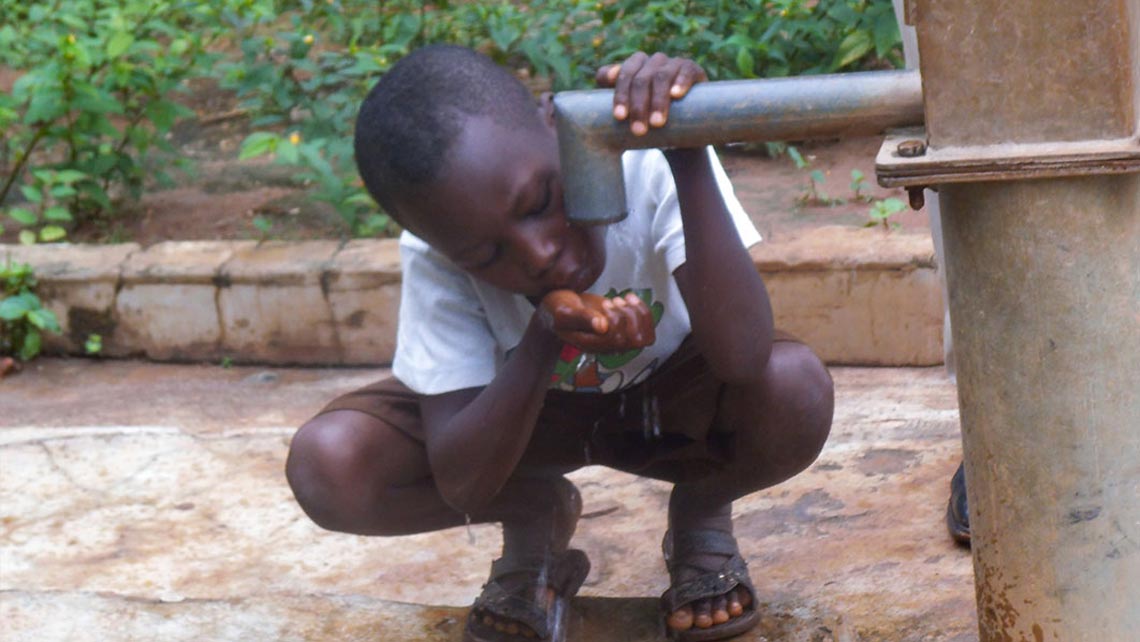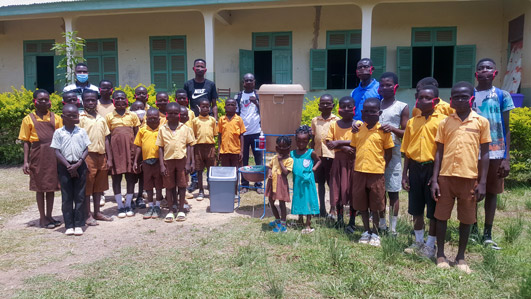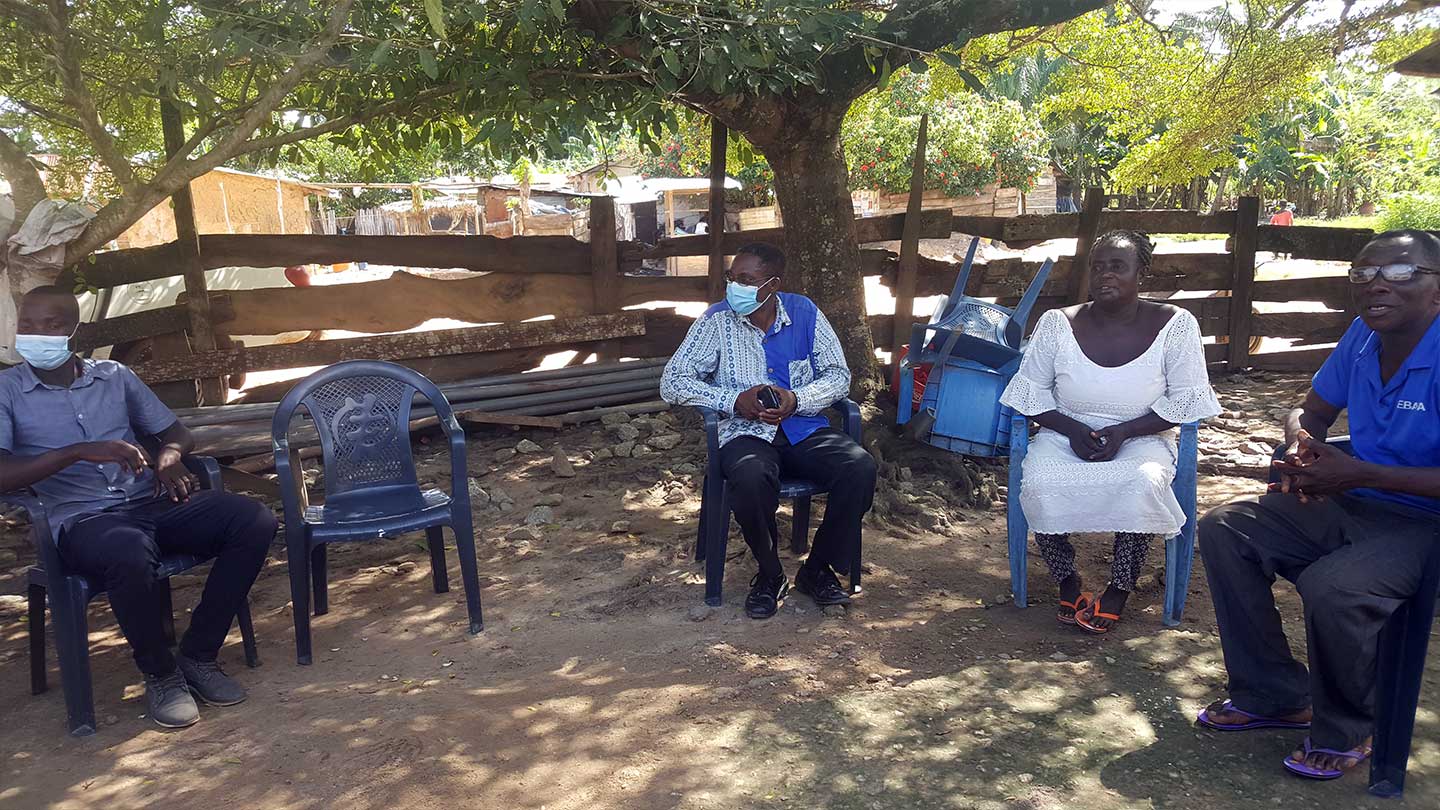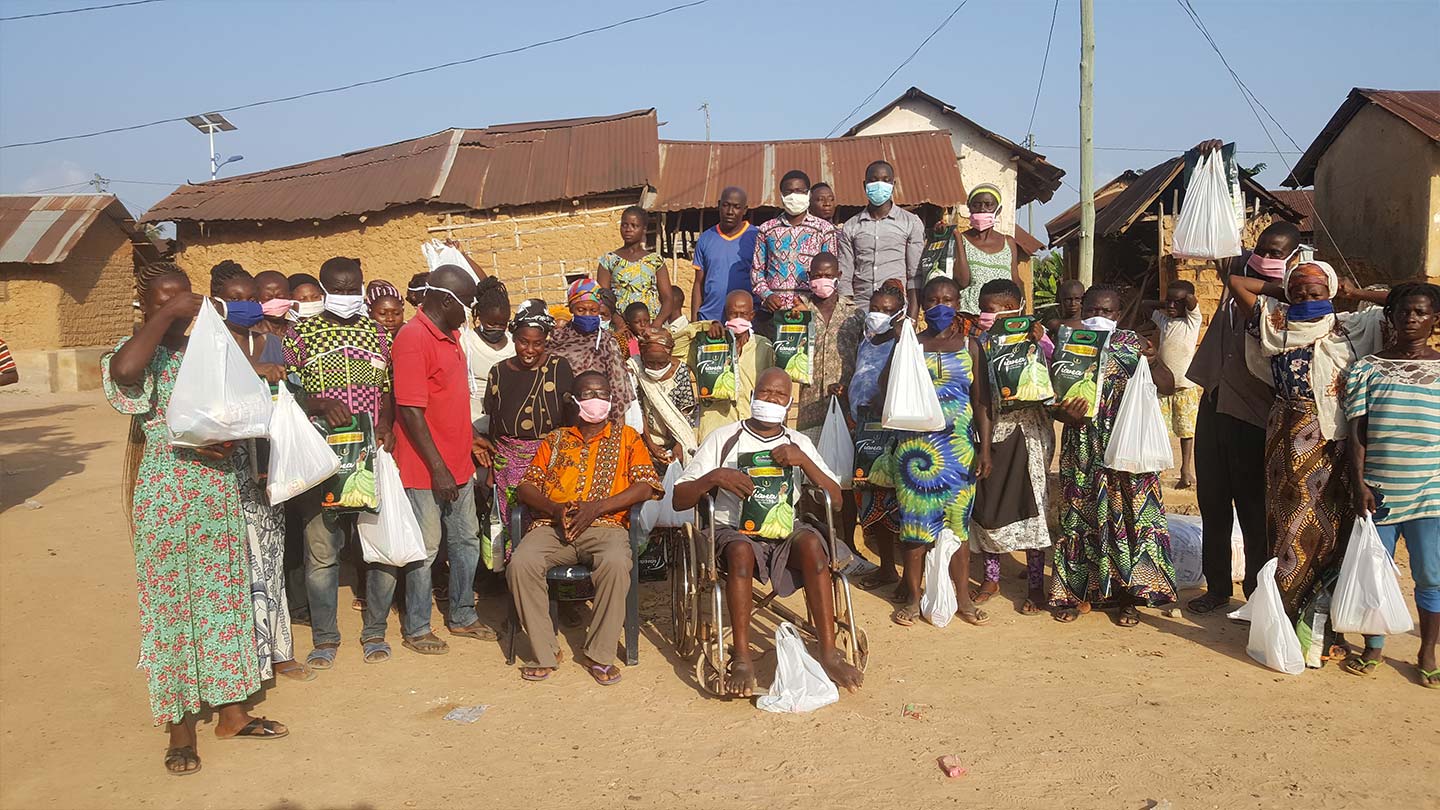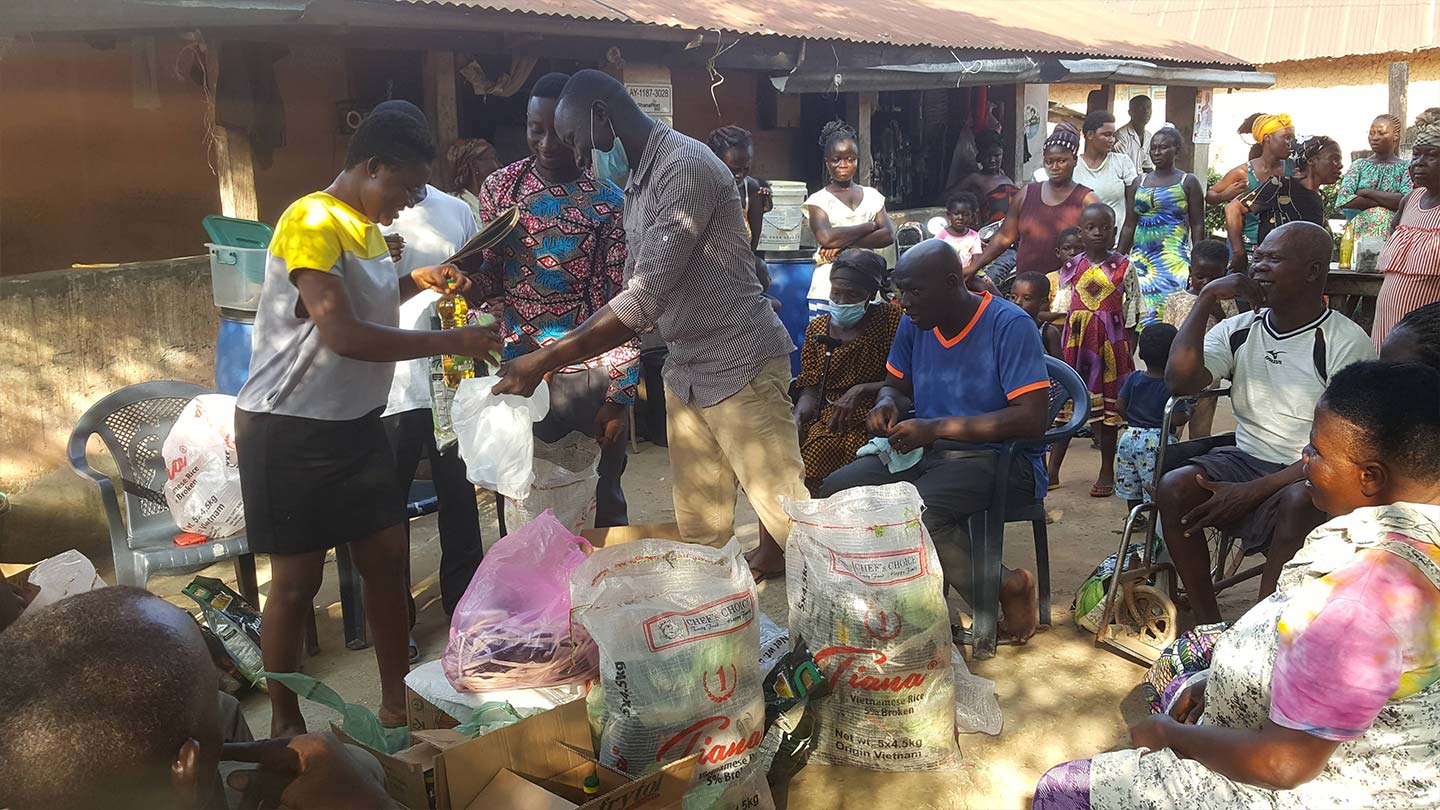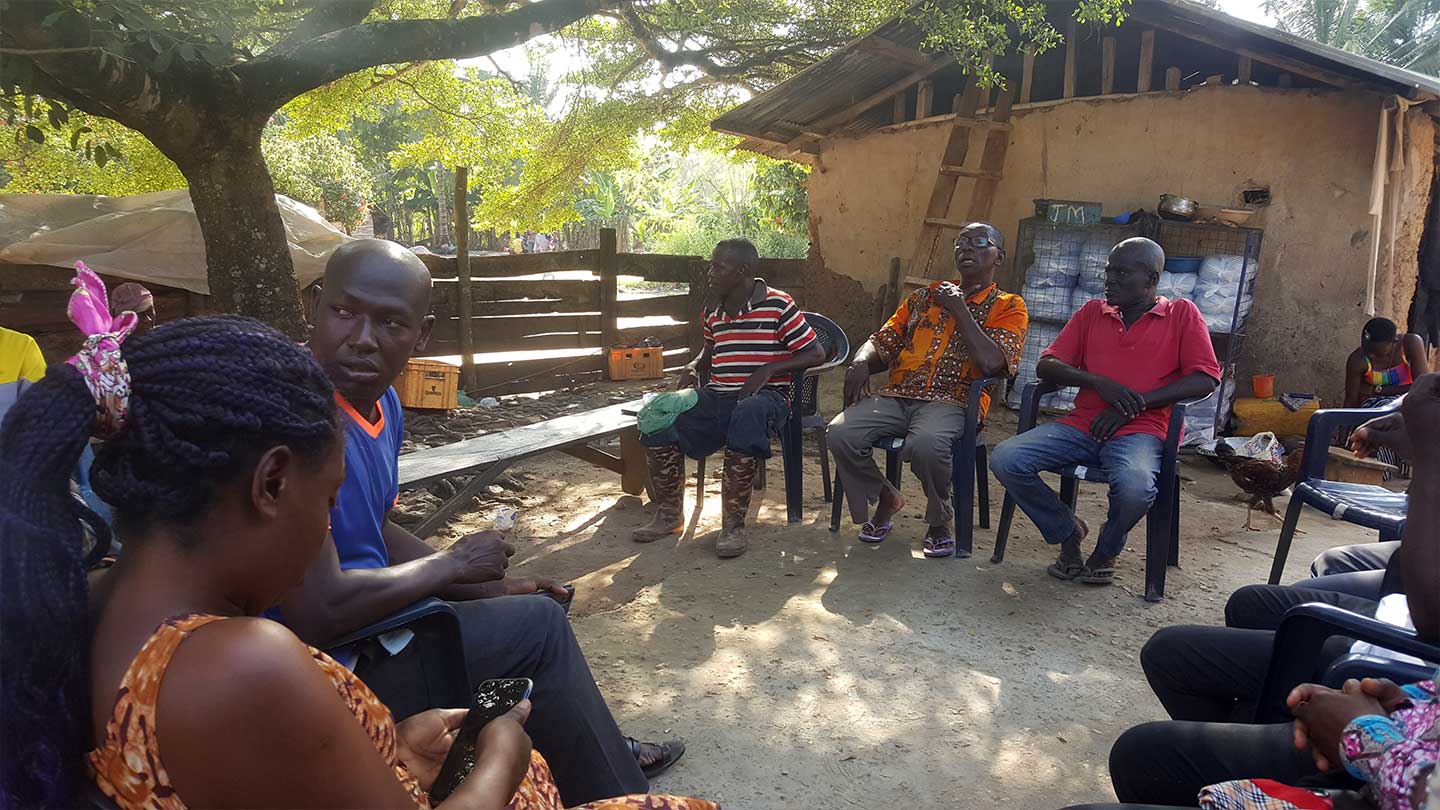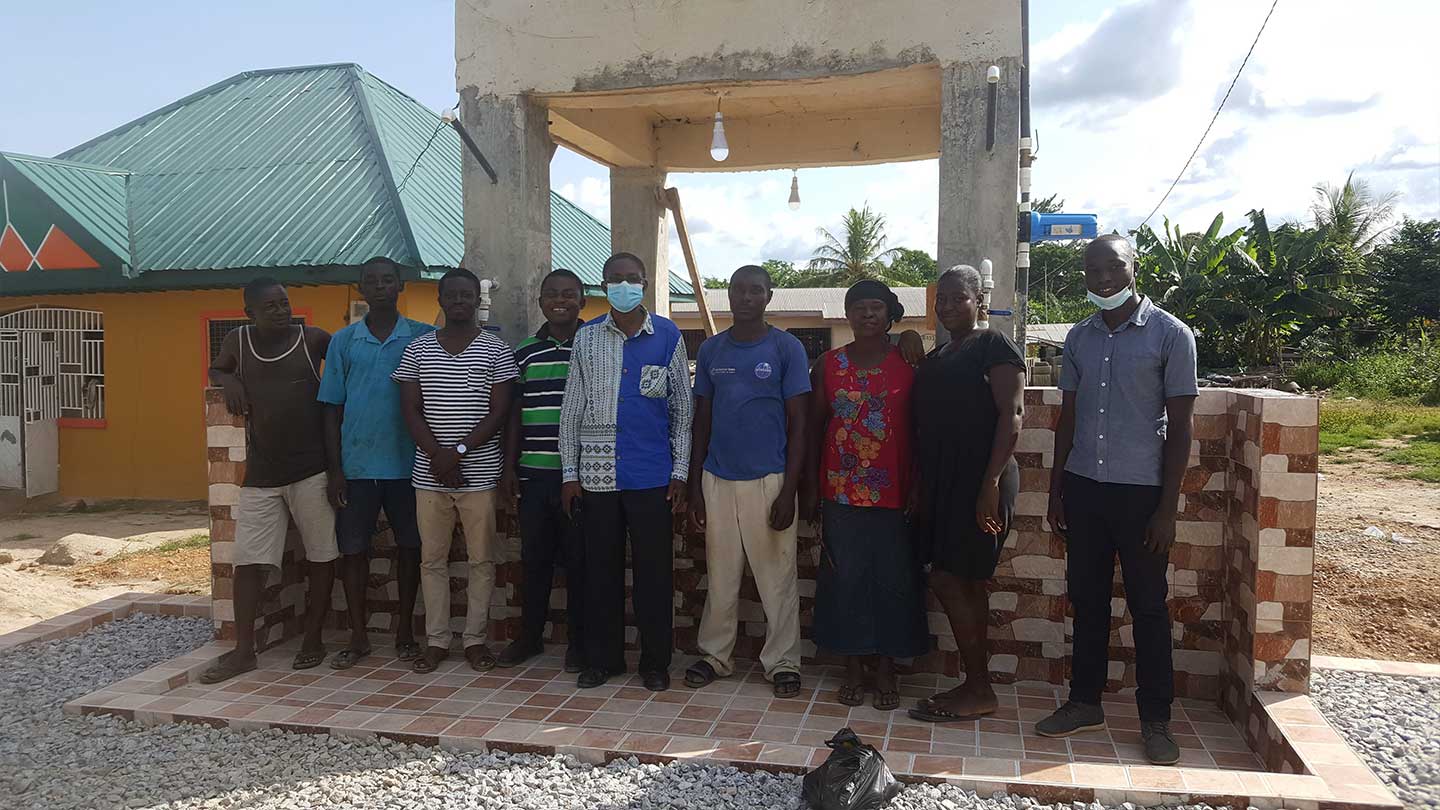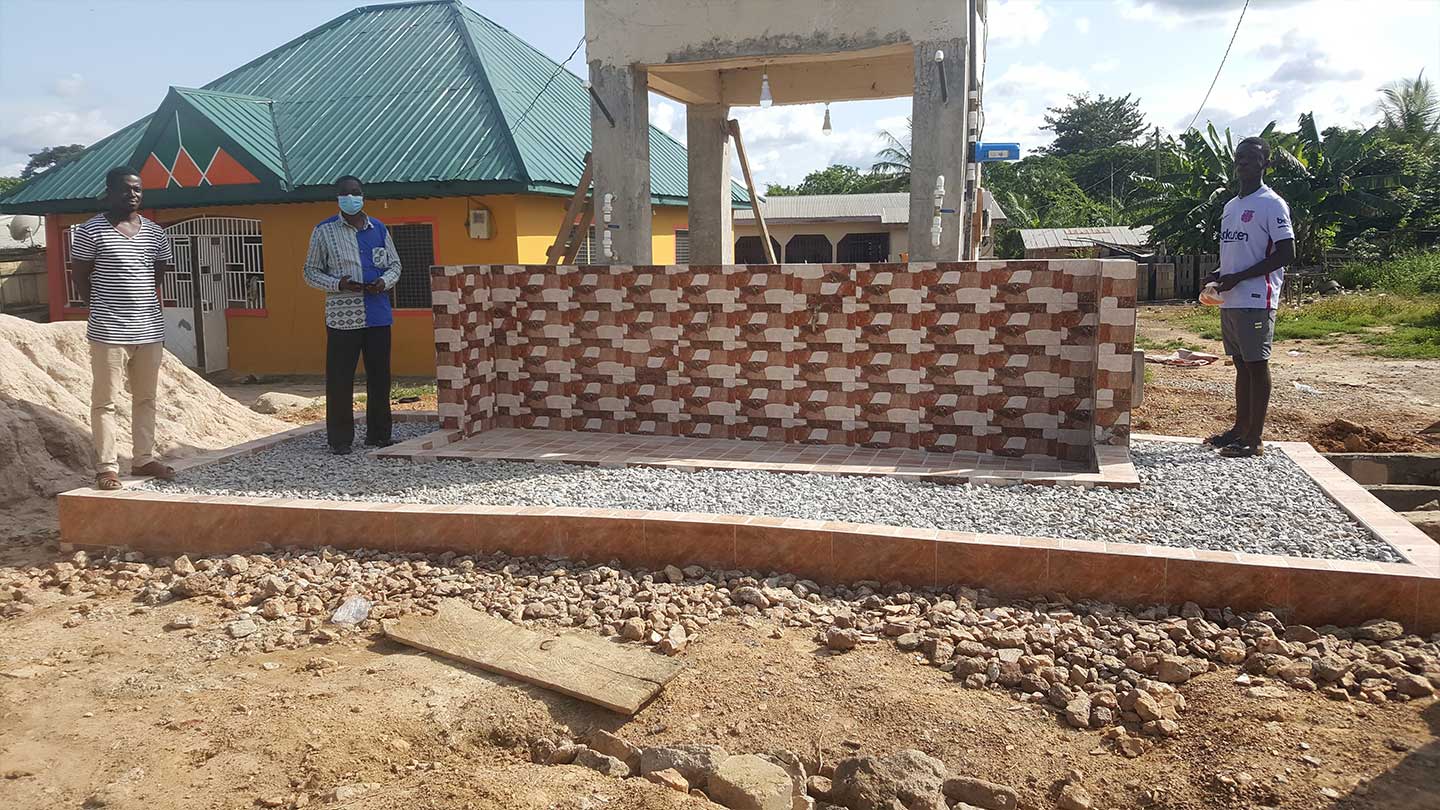
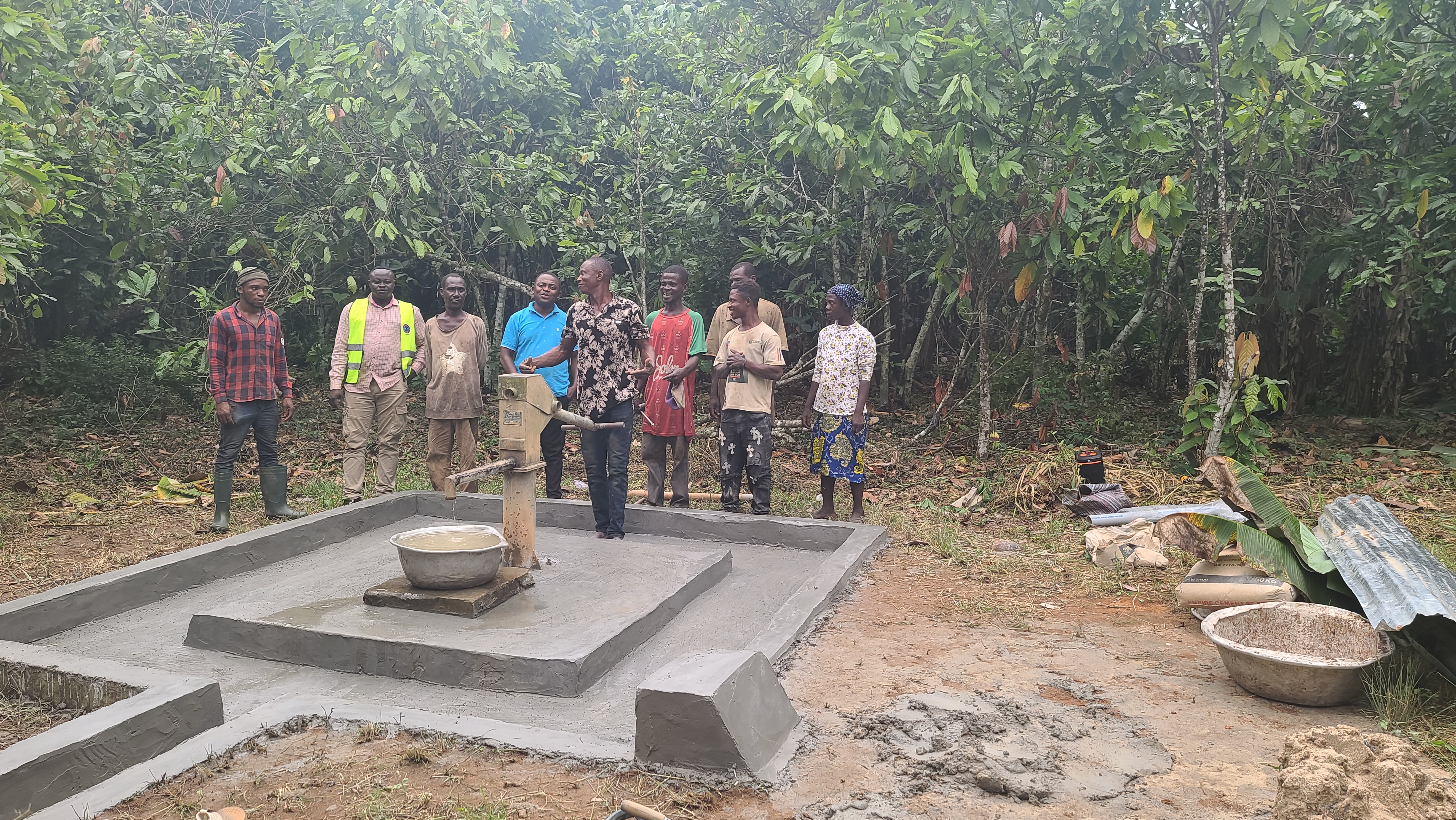
Family Support Lifeline, recently responded by supporting the restoration of the broken-down wells in the Juabenba and Nkyerepoaso communities among others in the Ashanti region as well as Beni kwa village in the Central region of Ghana, bringing this essential water source back into operation.
A non-functioning well can mean longer distances to alternative water sources, additional pressure on families, increased difficulty for children and caregivers, and greater vulnerability to unsafe water sources.
Recognising the importance of restoring the facility, the FASUL team undertook the necessary intervention to repair and restore the borehole so that it could once again serve the community
The project was not simply about fixing a piece of infrastructure.
It was about restoring access. Restoring dignity. And restoring an opportunity for families to have a more reliable source of water.
Safe water plays a fundamental role in protecting public health and improving the quality of life of families. With a functioning water source closer to home, community members can spend less time searching for water and more time focusing on school, work, household responsibilities, and other productive activities. For children in particular, improved access to water can contribute to a healthier environment in which they can learn, grow, and thrive. This intervention therefore forms part of a broader commitment by FASUL to support communities through practical, sustainable solutions that address everyday challenges At FASUL, we believe community development is most meaningful when it responds to the realities people face every day. Restoring the well is one intervention, but its significance extends beyond the physical structure. It represents what can happen when community needs are identified and meaningful action is taken. The restored facility also highlights the importance of maintaining community infrastructure after projects are completed. Sustainable development requires not only the construction or rehabilitation of facilities, but also community ownership, responsible use, regular maintenance, and continued collaboration among stakeholders. There is still much work to be done in communities across Ghana, particularly in areas where access to essential services remains a challenge. FASUL remains committed to working with communities, local authorities, development partners, and other stakeholders to identify practical opportunities that can improve the lives of families and create healthier, more resilient communities. The restoration of this well may appear to be one small intervention, but for the families who depend on it, the return of water can make a very real difference. Because sometimes, development is not about building something new. Sometimes, it is about restoring what a community already had—and making sure it can serve them again. 💧 Water restored. Hope renewed. Communities strengthened.