Sustainable development is not only about providing physical resources. It is also about equipping people with knowledge, creating opportunities for dialogue, and strengthening communities to become active participants in their own development.
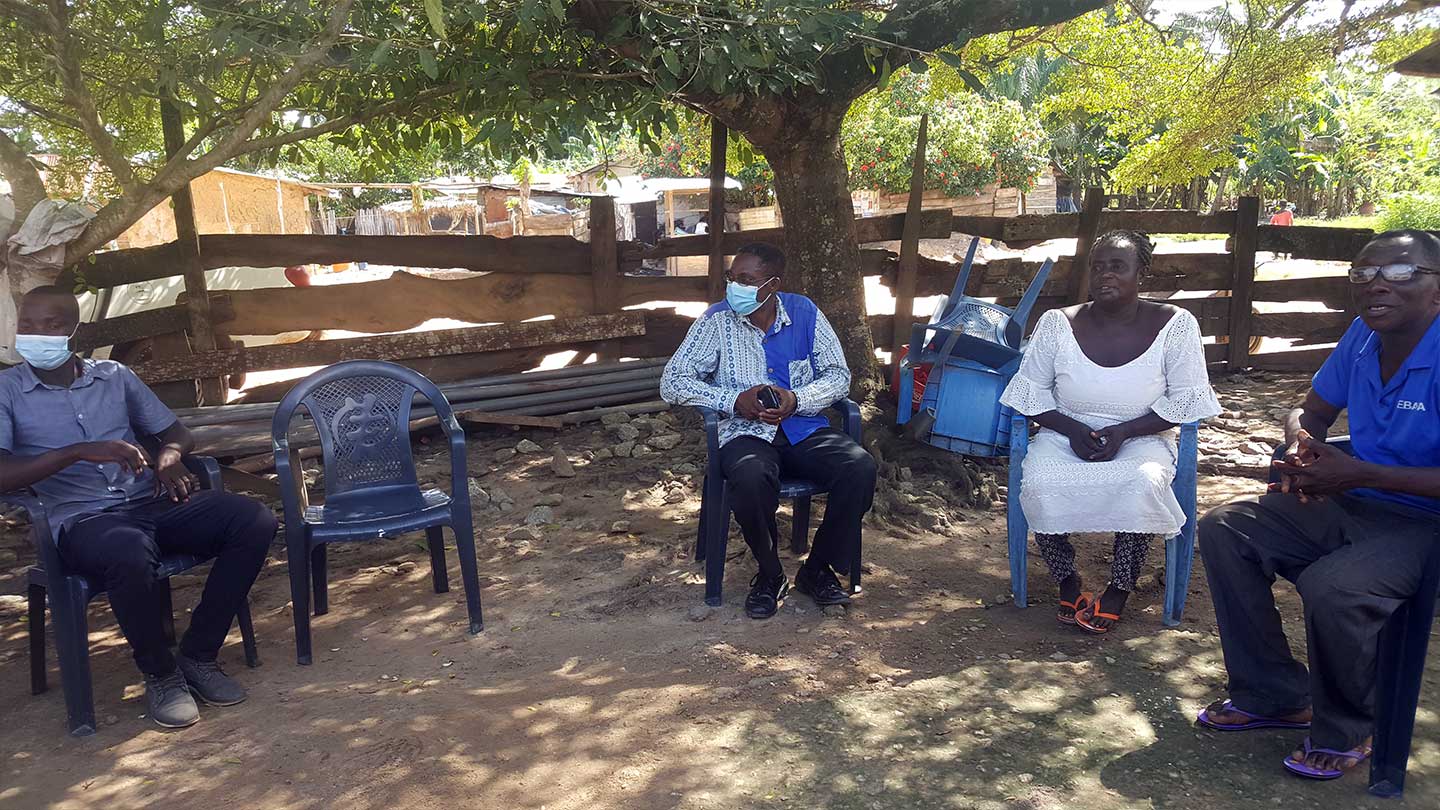
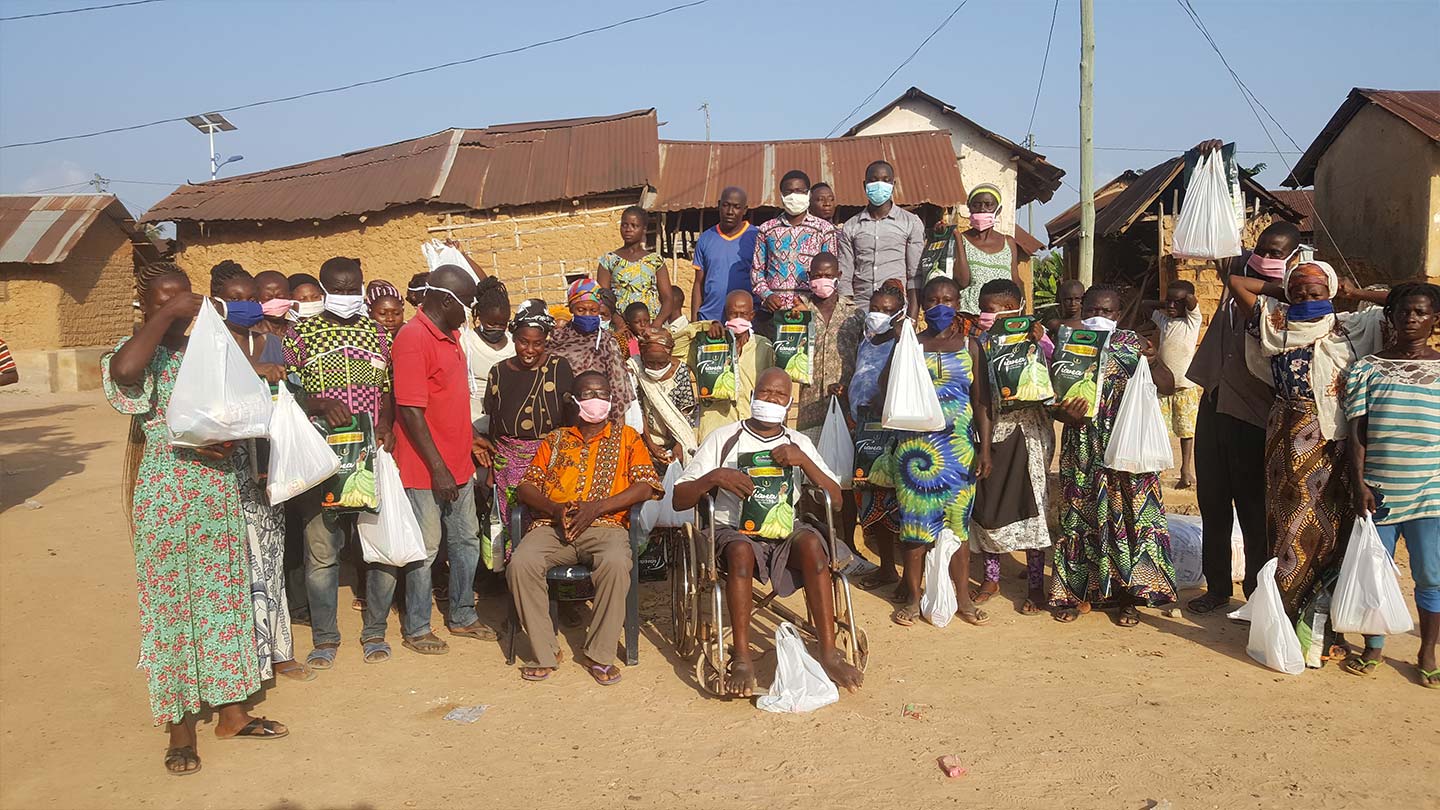
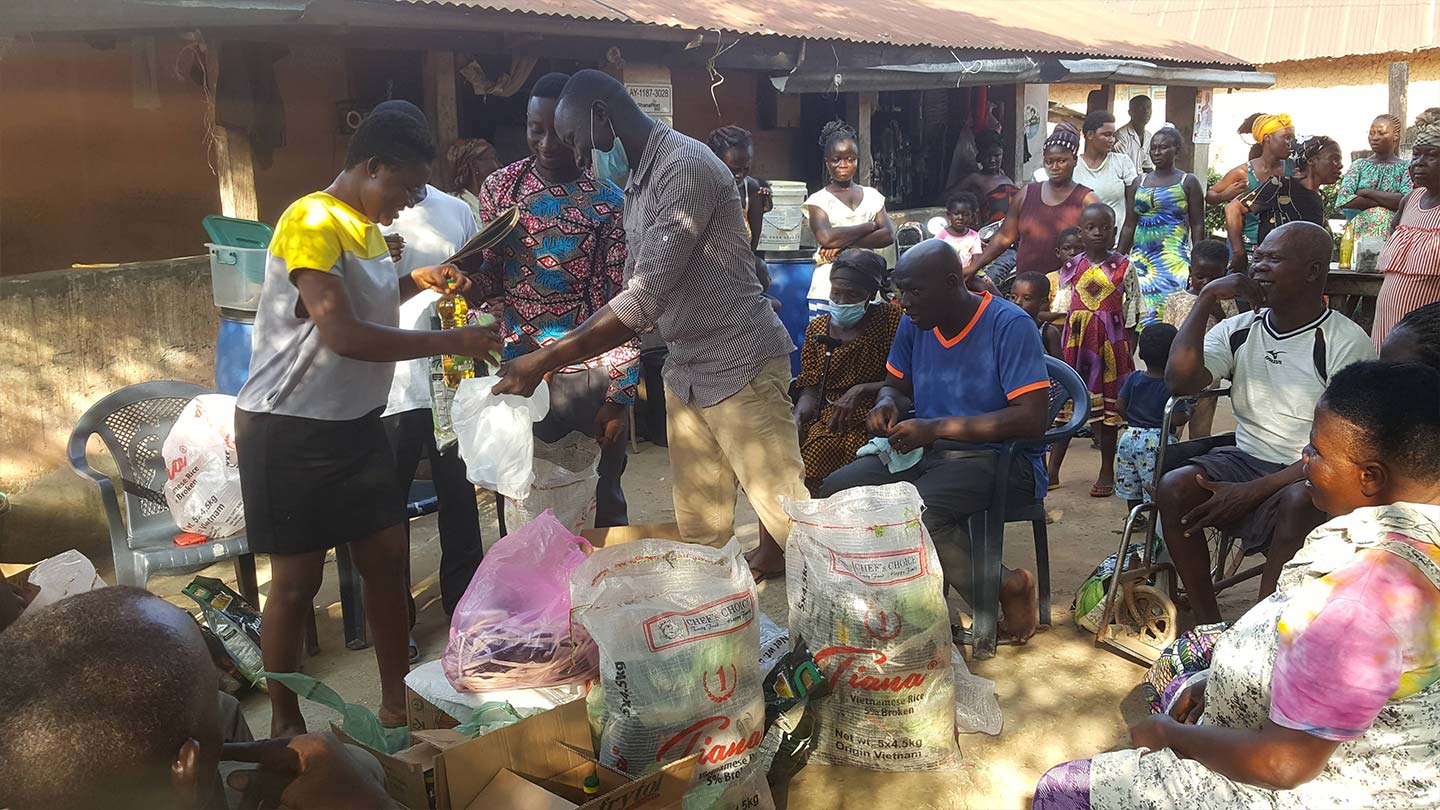
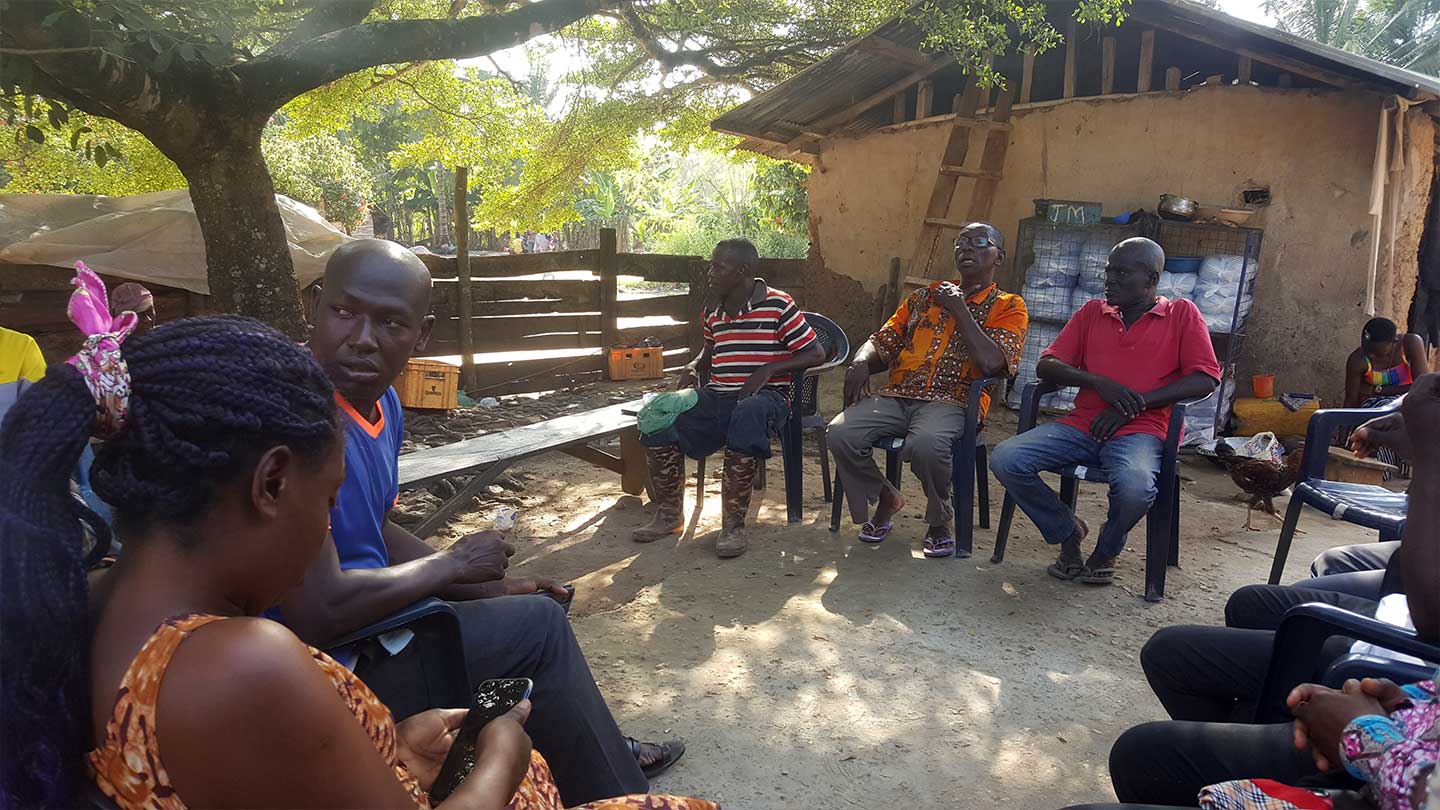
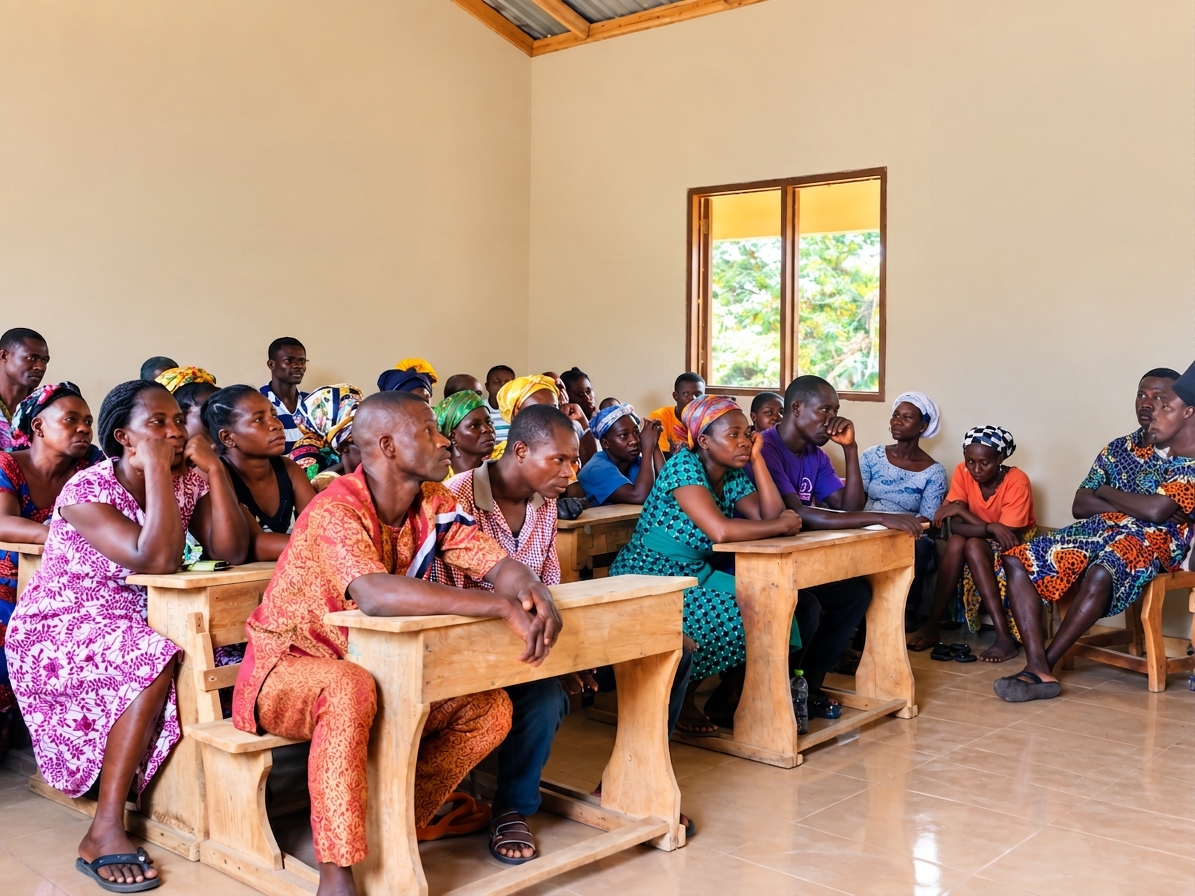
With this in mind, Family Support Lifeline (FASUL) recently organised a community workshop as part of its ongoing efforts to support families and promote sustainable development in underserved communities.Held in Mansokwaa in the Central Region, the workshop brought community members from different communities together for an engaging session of learning, discussion and knowledge-sharing. Participants had the opportunity to interact with facilitators, share experiences, ask questions and consider practical approaches to issues affecting their families and community.
For FASUL, this workshop was an opportunity to create a shared understanding and practical knowledge that participants can carry beyond the meeting space. When community members are given the opportunity to learn and contribute their own experiences, development becomes a two-way process. Knowledge flows in both directions, and local perspectives become part of identifying challenges and exploring solutions. The workshop therefore formed part of FASUL's wider community centred approach, one that recognises that lasting change is strongest when communities are not simply beneficiaries of development interventions, but active participants in the process.
FASUL's community work is made possible through collaboration with partners who share a commitment to improving the lives of families and children in underserved communities. Over the years, FASUL has worked alongside international partners, including the Kiphart family and partners in Chicago, as well as the University of Chicago's global health partners, to support initiatives spanning education, water and sanitation, health, livelihoods and community development. These partnerships have helped strengthen FASUL's ability to respond to community needs while connecting local development efforts with international knowledge, resources and collaboration. The workshop in Mansokwaa reflects that broader commitment: bringing people, knowledge and partnerships together in ways that can contribute to meaningful change.
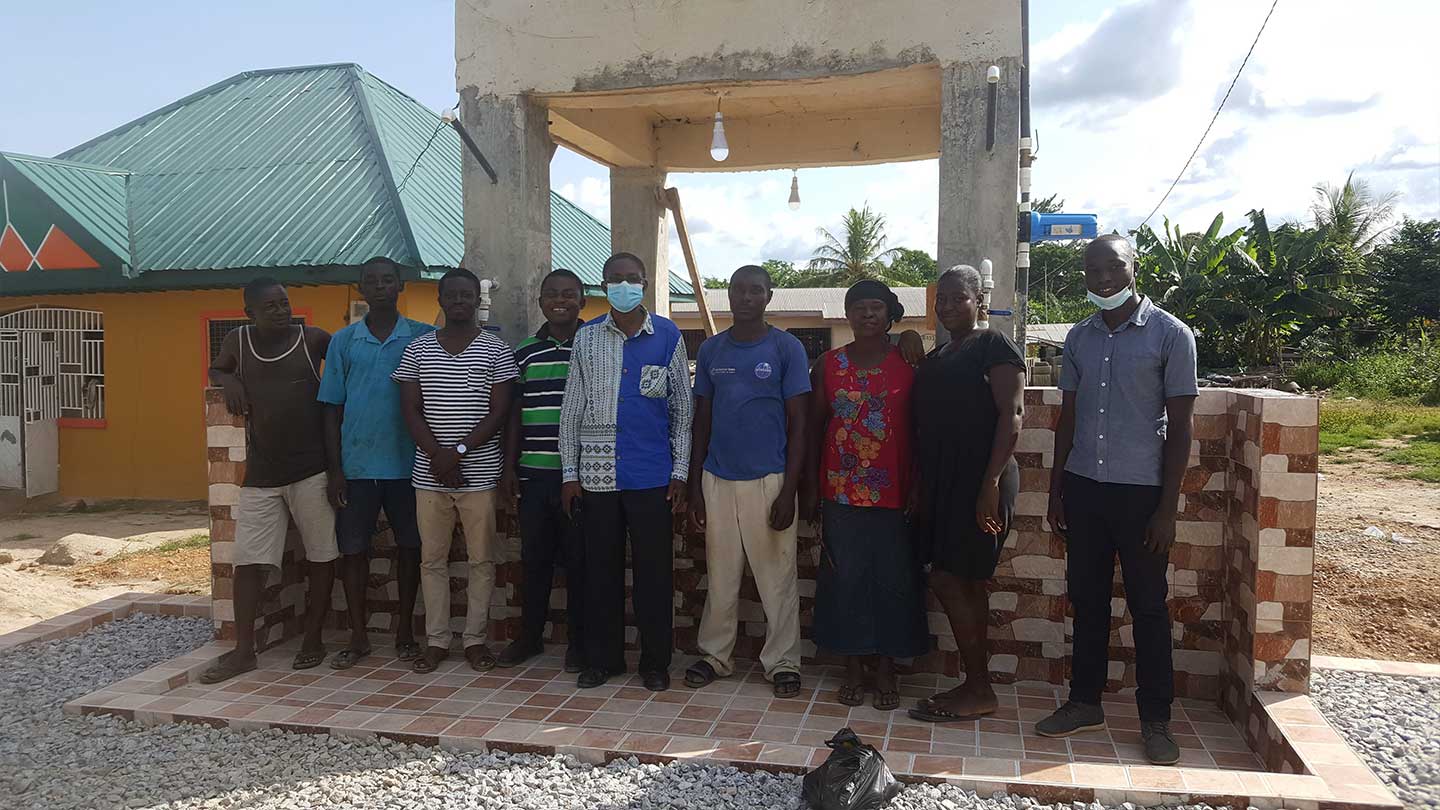
A borehole can provide water. A school can provide a place to learn. A health intervention can address an immediate need, but when people are equipped with knowledge and empowered to participate in the development of their communities, the impact can extend much further.
That is why FASUL continues to invest not only in what communities receive, but also in what communities know, what they can do, and what they can build for themselves.
The workshop may have been a single event, but its purpose reaches beyond a single day.
Family Support Lifeline Supporting Families to Develop the Child.